
Sushi & Japanese Food Guides
Beyond Sushi: A Guide to Japanese Comfort Food in Salisbury, from Ramen to Karaage
A plain guide to the hot Japanese dishes at Sushi Go-En in Salisbury: ramen, katsu curry, karaage, rice bowls, bento and small plates, plus ordering tips.
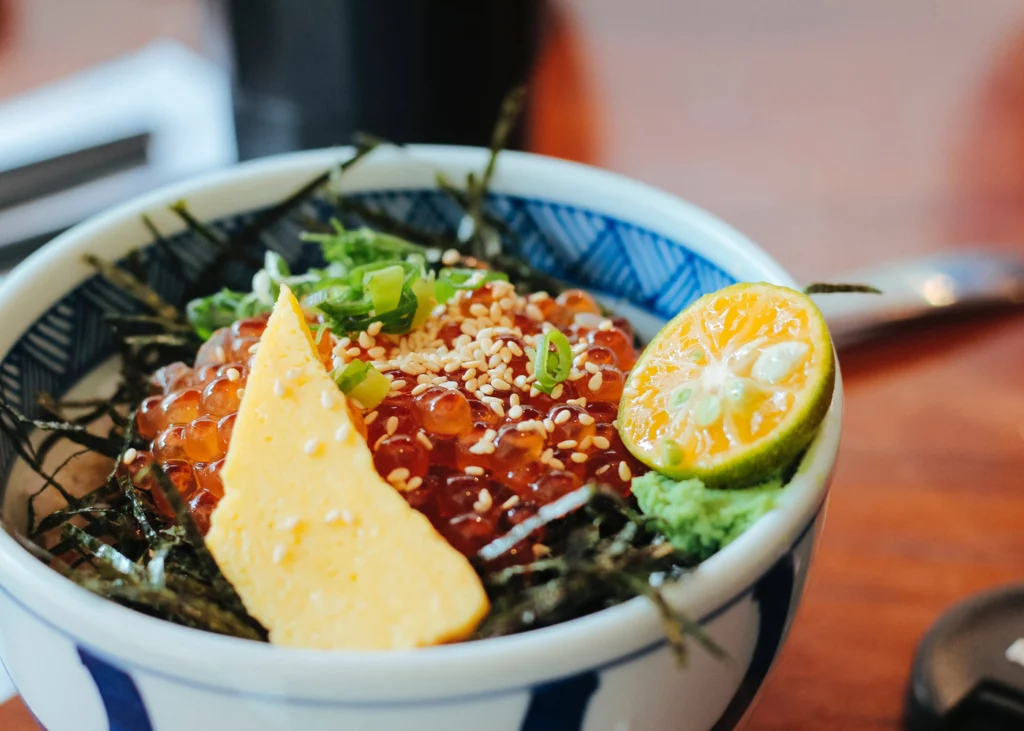
Japanese food in Salisbury goes well past the sushi train. At Sushi Go-En on Toohey Road we also cook the hot, home-style dishes people in Japan eat on an ordinary weeknight: chashu ramen, curry and katsu, karaage, rice bowls, bento and griddle favourites like okonomiyaki and takoyaki. This guide explains what each one is, how to choose between them, and how to put together a meal that works at the table or at home.
Quick answer: If you want something warm and filling rather than raw fish, start with our Chashu Ramen, Chicken Katsu Curry or one of our A$17.50 rice bowls, then add a small hot plate to share.
- Ramen is a noodle soup; ours is topped with chashu, slow-braised pork.
- Katsu is a crumbed cutlet, karaage is bite-sized fried chicken, and Japanese curry is a thick, gentle sauce that suits both.
- Donburi (rice bowls) and bento are the easiest single-person meals to order.
- Our small hot plates, from okonomiyaki to takoyaki, tofu and tempura, are made for sharing.
- For families, our A$80 Chicken Rice Bowl Family Set is the simplest way to feed a table.
What Japanese food in Salisbury is there beyond sushi?
Beyond sushi, the Japanese food Salisbury diners can order from our kitchen covers four groups: noodle soup (Chashu Ramen), curry dishes (Curry Rice Bowl and Chicken Katsu Curry), fried chicken and rice bowls (karaage, teriyaki and fresh salmon), and small hot plates such as okonomiyaki, takoyaki, agedashi tofu and tempura.
In Japan these dishes sit under a loose heading that translates roughly as everyday or “B-grade” cooking. They are what people queue for at a station noodle counter, pack for a school lunch or make at home on a Tuesday. None of them need an occasion, and most are cooked to order and eaten straight away.
That is a useful contrast with sushi. Sushi is about cool rice, clean flavours and careful knife work. Home-style Japanese cooking is about warmth, sauce, crunch and rice that soaks up whatever is poured over it. If you want to understand the sushi side of our menu instead, our guide to the sushi styles you can add alongside a hot meal covers it properly.
For anyone looking for a Japanese restaurant Brisbane southside locals can walk into for a hot dinner, the rest of this post works through the menu dish by dish. You can also browse everything on our full Sushi Go-En menu.
What is chashu ramen?
Chashu ramen is a bowl of wheat noodles in hot broth, topped with slices of chashu, which is pork that has been slowly braised in a seasoned liquid until tender. Our Chashu Ramen follows that idea: noodle soup with braised pork on top. The current price is on our order page.
Chashu takes its name from Cantonese char siu, the red barbecued pork sold in Chinese restaurants, but the Japanese version is usually cooked quite differently. Instead of being roasted with a sticky glaze, the pork (often rolled belly) is simmered in a mixture built on soy sauce, sake, mirin and sugar. The meat ends up soft enough to break with chopsticks, and the fat carries a lot of the seasoning.
How ramen styles differ
Ramen across Japan is commonly grouped by its seasoning base. Shoyu ramen leans on soy sauce, shio on salt, and miso on fermented soybean paste, while tonkotsu refers to a cloudy broth made by boiling pork bones for many hours. Regional shops mix and match these, so the word “ramen” alone tells you only that you are getting noodles in broth. If you want to know more about how our bowl is seasoned, ask us at the counter.
How to eat a bowl of ramen
Eat it quickly. Ramen noodles keep absorbing liquid once they hit the broth, so the texture is best in the first ten minutes. Slurping is normal in Japan because it cools the noodles and pulls the aroma of the soup up with them. Lift a mouthful with chopsticks, use the spoon for broth, and save the chashu for whenever you like.
Is Japanese curry spicy, and what is katsu curry?
Japanese curry is usually milder, thicker and slightly sweeter than many Indian or Thai curries. It is a brown, roux-based sauce served over rice. Katsu curry adds a crumbed, fried cutlet on top. We offer both: the Curry Rice Bowl at A$17.50 and the Chicken Katsu Curry, priced on the order page.
Japanese curry arrived in the late 1800s through British influence, which is why it resembles an old-fashioned English curry more than anything from South Asia. Japanese cooks thickened it with a flour-and-fat roux, and it became one of the most common home dinners in the country. Supermarket curry blocks in Japan are sold in mild, medium and hot strengths, so heat really depends on the cook.
Because spice levels vary from kitchen to kitchen, we would rather you ask us than guess. Give us a call or ask at the counter about how hot our curry is on the day.
Curry Rice Bowl
The Curry Rice Bowl is a hearty bowl of rice served with curry, A$17.50. It is the most direct way to try Japanese curry, with nothing competing for attention. Mix the sauce into the rice as you go, the way it is eaten in Japan.
Chicken Katsu Curry
Katsu is short for katsuretsu, the Japanese pronunciation of “cutlet”. The best-known version is tonkatsu, a pork cutlet coated in panko breadcrumbs and deep-fried. Our Chicken Katsu Curry pairs a crumbed, fried chicken cutlet with our Japanese curry, so you get crunch from the crumb and comfort from the sauce in every mouthful. If you have been hunting for ramen and katsu curry in Brisbane under one roof, both are on our menu.
What is the difference between karaage and katsu?
Karaage is small pieces of marinated chicken coated lightly in starch or flour and deep-fried, giving a thin, crackly shell and juicy centre. Katsu is a whole flattened cutlet dipped in egg and panko crumbs before frying, giving a thicker, crunchier coat. Both are fried chicken in Japan, just made in different ways.
Karaage marinades in Japan commonly include soy sauce, ginger and garlic, which is why the chicken tastes seasoned all the way through rather than only on the surface. Potato starch is a common coating because it fries up pale and crisp. It is one of the most popular items in Japanese convenience stores and lunch boxes, and it is just as good cold the next day.
Katsu, on the other hand, is about the crumb. Panko is made from crustless bread and has a coarse, airy flake, which stays crunchy longer than fine breadcrumbs. A cutlet is usually sliced into strips after frying so it can be eaten with chopsticks.
Karaage Rice Bowl
Our Karaage Rice Bowl is Japanese fried chicken over rice for A$17.50. It is one of the easiest dishes to recommend to someone new to Japanese food, because fried chicken and rice need no explanation.
Karaage Salad
If you would like your karaage with something fresher alongside, the Karaage Salad pairs the same style of fried chicken with salad, A$18.50. It suits a lighter lunch or a shared table where someone else is already ordering rice.
What are donburi rice bowls and bento meals?
A donburi is a bowl of steamed rice with a cooked or fresh topping placed straight on it, so the sauce seeps down into the grains. A bento is a single-portion meal packed into a box with separate sections. Both are everyday Japanese formats built for one person, which makes them simple choices to order.
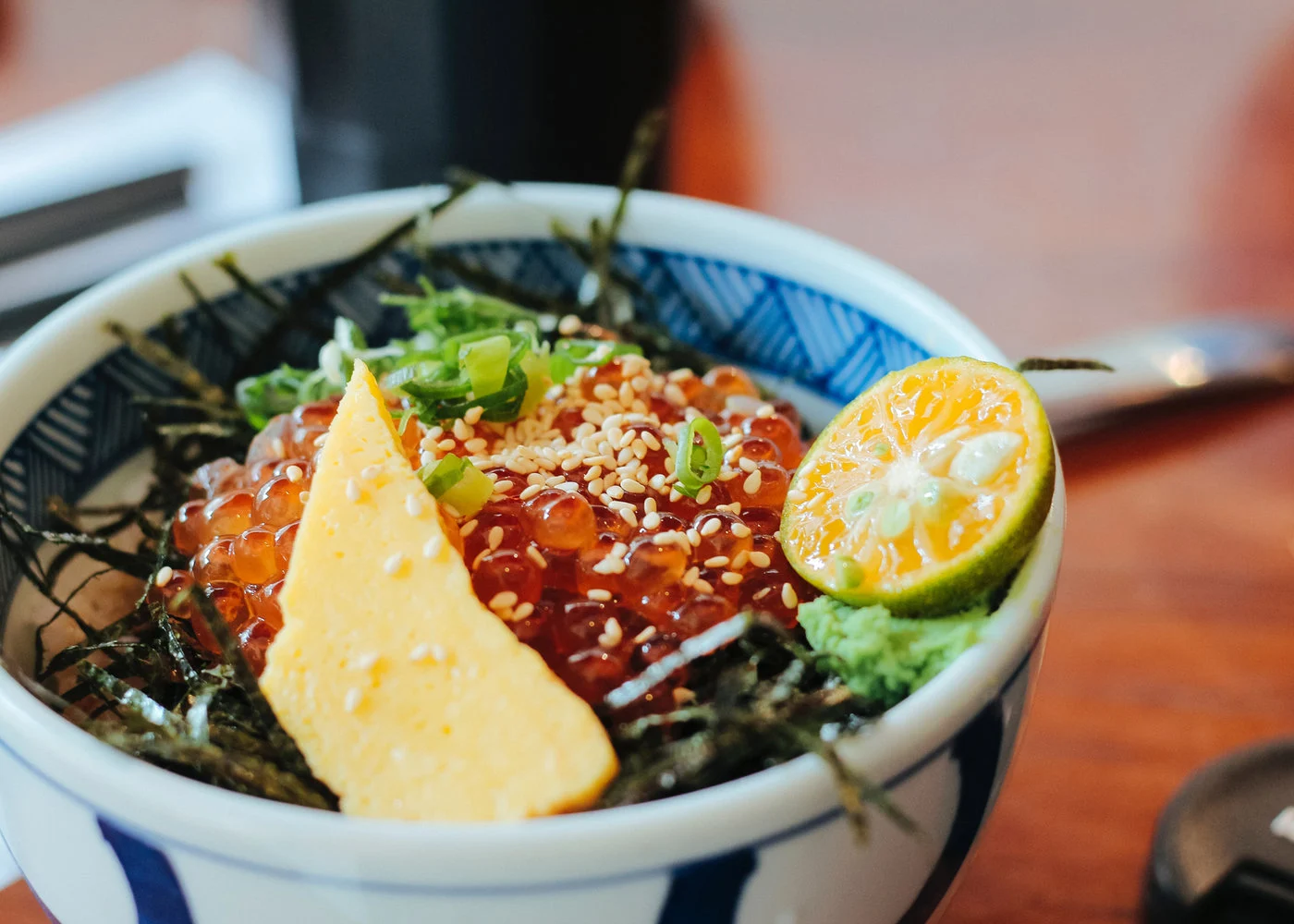
The word donburi refers to both the bowl and the dish. Famous examples in Japan include oyakodon (chicken and egg), gyudon (simmered beef) and katsudon (cutlet with egg). The appeal is practical: one bowl, one pair of chopsticks, and a complete meal.
Teriyaki Rice Bowl
Teriyaki describes a cooking method more than an ingredient. “Teri” refers to shine and “yaki” to grilling, and the glaze is typically a reduction of soy sauce, mirin and sugar. The Teriyaki Rice Bowl brings that sweet-savoury flavour over rice for A$17.50, and it is a gentle pick for children or anyone wary of new flavours.
Fresh Salmon Rice Bowl
For a bowl that bridges the sushi counter and the kitchen, the Fresh Salmon Rice Bowl is rice topped with fresh salmon. The price is listed on the order page. It is the cool option in this post, good on a warm Brisbane afternoon when a hot curry feels like too much.
Teriyaki Chicken Bento Meal
Our Teriyaki Chicken Bento Meal is a boxed teriyaki chicken meal at A$25.00. Bento culture in Japan is built around variety in a small space, with a balance of colours and textures packed side by side. It is the most self-contained lunch on our menu and easy to carry back to a desk.
What are okonomiyaki, takoyaki, agedashi tofu and tempura?
These are the small hot plates of Japanese home cooking. Okonomiyaki is a savoury pancake, takoyaki are round batter balls with octopus inside, agedashi tofu is lightly fried tofu in a savoury broth, and tempura is a very light, crisp batter-fried dish, traditionally made with seafood and vegetables. All four are good for sharing between two or more people.
Okonomiyaki
The name means roughly “grilled how you like it”. In Japan, okonomiyaki is a batter thick with shredded cabbage, cooked on a flat griddle and commonly finished with a sweet brown sauce, mayonnaise, seaweed powder and bonito flakes. Osaka and Hiroshima each have their own famous style. Our Okonomiyaki is a savoury pancake served hot; ask us if you want to know how it is finished.
Spicy Onion Takoyaki
Takoyaki come from Osaka street stalls, where cooks turn the batter in a dimpled iron pan until each ball is golden outside and soft inside, with a piece of octopus in the centre. Ours, the Spicy Onion Takoyaki, add a spicy onion flavour to the classic octopus ball. Let them sit for a minute before biting, because the middle holds heat for a surprisingly long time.
Agedashi Tofu
Agedashi tofu is a quiet dish that people often end up loving. Our Agedashi Tofu is tofu fried lightly and served in a savoury, dashi-style broth. The thin coating softens as it soaks up the liquid, so you get a silky texture with a little bite at the edges.
The flavour comes from dashi, the stock at the heart of Japanese cooking. Traditional dashi is made by steeping kombu (kelp) and katsuobushi (dried, smoked bonito flakes), which release natural compounds that create umami, the deep savoury taste found in miso, soy sauce and aged cheese. Because classic dashi is often fish-based, do not assume a tofu dish is free of fish; call us if that matters to you.
Tempura
Tempura reached Japan through Portuguese traders in the sixteenth century and was refined into a batter so light it barely clings. Cold water and minimal mixing keep it delicate. Our Tempura is light and crisp, and it is best eaten the moment it arrives.
Japanese food in Salisbury: which dish suits which mood?
The quickest way to choose is to match the dish to what you feel like: soup, sauce, crunch or something to share. The table below sets out every home-style dish in this guide, what it is, when it works best and its price. Where no price is shown, the online order page lists the latest one.
| Dish | What it is | Good for | Price |
|---|---|---|---|
| Chashu Ramen | Braised pork on noodles in broth | Cold nights, a solo dinner | See order page |
| Curry Rice Bowl | Rice served with Japanese curry | A simple, saucy meal | A$17.50 |
| Chicken Katsu Curry | Crumbed fried chicken cutlet with curry | Crunch and sauce together | See order page |
| Karaage Rice Bowl | Japanese fried chicken over rice | First-timers, fussy eaters | A$17.50 |
| Karaage Salad | Karaage served with salad | A lighter lunch | A$18.50 |
| Teriyaki Rice Bowl | Sweet-savoury teriyaki over rice | Kids, mild tastes | A$17.50 |
| Fresh Salmon Rice Bowl | Rice topped with fresh salmon | Warm days, fish lovers | See order page |
| Teriyaki Chicken Bento Meal | Boxed teriyaki chicken meal | Desk lunches, one person | A$25.00 |
| Chicken Rice Bowl Family Set | Chicken rice bowls in a family-sized set | Feeding a household | A$80.00 |
| Okonomiyaki | Savoury pancake, served hot | Sharing at the table | See order page |
| Spicy Onion Takoyaki | Octopus balls, spicy onion flavour | A snack between mains | See order page |
| Agedashi Tofu | Lightly fried tofu in dashi-style broth | Something soft and savoury | See order page |
| Tempura | Light, crisp battered pieces | Eating straight away | See order page |
Prices and availability can change, so the Sushi Go-En online order page is always the place to confirm before you pay.
How do you order a balanced shared meal for two, four or a family?
Pick one main per person from different groups (soup, curry, rice bowl), then add one shared hot plate for every two people. Mixing textures matters more than quantity: something crunchy, something saucy, something with broth. For a whole household, ordering one A$80 family set of rice bowls does most of the work for you.
Japanese home meals are traditionally built on a simple pattern: rice, a soup and a few side dishes, each with a different cooking method. You do not need to follow it strictly, but the principle helps. If everything on the table is fried, it starts to feel heavy; if everything is soft, nobody gets the crunch they were hoping for.
A meal for two
- One Chashu Ramen and one Karaage Rice Bowl, so one person has broth and the other has crunch.
- One plate of Spicy Onion Takoyaki in the middle.
- Swap in Agedashi Tofu instead of takoyaki if you want something gentler.
A meal for four
- Chashu Ramen, Chicken Katsu Curry, a Fresh Salmon Rice Bowl and a Teriyaki Rice Bowl.
- Okonomiyaki and Tempura to share across the table.
- Order the tempura last if you are dining in, so it lands while it is still crisp.
A family dinner
Our family set of chicken rice bowls costs A$80.00 and is sized for a household to share. Chicken over rice is familiar enough for younger eaters, and adults can add a curry, a ramen or a hot plate on top. If you are not sure how far the set will stretch for your family, ring us on 0452 338 318 so we can talk it through.
Pairing a hot dish with sushi from the train
When you dine in, you do not have to choose between the kitchen and the conveyor. You can order a ramen or rice bowl from the kitchen and pick a few plates off the train while it is being cooked. A hot main with two or three sushi plates makes a well-rounded meal, and the cool rice and fresh fish are a nice contrast to fried chicken or curry. If you have never sat at a sushi train before, our guide to picking plates off the train while your hot dish cooks explains the flow, and our post on the soy sauce and chopstick habits worth knowing before you mix sushi with ramen covers the table manners.
A good pairing rule is to balance richness. Fatty chashu or crumbed katsu sits well beside lean sushi, while a lighter bowl such as fresh salmon can handle something richer from the train, like flame-seared Aburi Wagyu.
Which hot dishes travel best for takeaway and delivery?
Rice bowls, curry, bento and karaage travel best, because rice holds heat and sauces stay good for a while. Ramen and tempura are at their best eaten on the spot, since noodles soften in broth and light batter softens in steam. If you are ordering a Japanese meal for home, choose accordingly and eat the fried items first.
Here are a few general tips for getting home-style Japanese food home in good shape:
- Let steam escape. Fried food goes soft when it sits in its own steam. If the container allows, open the lid a little on the way home or as soon as you arrive.
- Keep hot and cold apart. Do not stack a hot curry on top of a salmon bowl or salad. Carry them side by side so neither changes temperature.
- Combine at the last moment. If your broth or sauce comes in its own container, add it just before eating so noodles and crumb stay at their best.
- Reheat in dry heat. Karaage, katsu and tempura come back to life far better in an oven or air fryer than in a microwave, which turns batter chewy.
- Refrigerate leftovers promptly. Rice and cooked chicken should go into the fridge soon after the meal rather than sitting on the bench all evening.
Pickup and delivery are both handled through our online ordering page for collection or delivery. If you are collecting, eat the tempura and karaage first and leave the rice bowls for last.
Ordering for a group or the office
Hot dishes are best ordered on the day. For larger groups that want sushi rather than hot food, our pre-order Sushi Boxes are designed for planning ahead, and the post on pre-ordering sushi boxes when a group would rather skip hot food explains how to organise them. You can see the Harmony sushi box and the rest of the range on our Sushi Box pre-order page.
A note on allergies
We don’t publish allergen information for our dishes online. Many of the foods in this guide involve common allergens in general Japanese cooking, such as wheat in batter and noodles, soy in sauces, egg in crumbing and fish or shellfish in stocks. Please phone us before ordering if you have an allergy, and see ASCIA’s allergy information for general guidance.
Visit us or order Japanese food in Salisbury
The easiest way to try Japanese food in Salisbury beyond sushi is to walk in, sit by the train and order something hot from the kitchen. No booking is needed. You can also order ahead for pickup or delivery, and if you are coming from Moorooka, Coopers Plains, Nathan, Tarragindi or Annerley, we are nearby on Toohey Road.
Sushi Go-En quick facts
- What we are: a Japanese sushi train restaurant with a hot kitchen and takeaway. Our name, Go-en, describes a bond that fate arranges, the sort that brings friends and strangers together over a meal.
- Address: Shop 6, 660 Toohey Road, in the suburb of Salisbury, QLD 4107, on Brisbane’s southside. Find us on Google Maps.
- When: we trade Monday through Saturday from 10:30 AM until 8:30 PM, and the kitchen takes its final orders at 8:00 PM.
- Dine in: just turn up; we do not take reservations.
- Takeaway: collection and delivery orders go through our online ordering page.
- Questions: phone 0452 338 318, send an email to dk@sushigoen.com.au or message us on Instagram at @sushigoen1.
When the evening calls for a bowl of ramen or a plate of katsu curry, this is the kind of Japanese food Salisbury neighbours can simply walk in and order. Start with the Sushi Go-En home page, then come and see us.
Frequently asked questions
What is chashu?
Chashu is Japanese braised pork, usually rolled pork belly simmered slowly in soy sauce, sake, mirin and sugar until it turns soft and richly seasoned. It is the classic ramen topping, sliced thin and laid over the noodles. The name comes from Cantonese char siu, though the Japanese method relies on braising rather than roasting. Our Chashu Ramen is noodle soup topped with this braised pork.
Is karaage the same as chicken katsu?
No. Karaage is bite-sized chicken, marinated first and dusted in starch or flour before frying, so it has a thin, crackly skin. Chicken katsu is one whole cutlet coated in egg and panko crumbs, which gives a thicker golden crust, and it is usually sliced after cooking. At Sushi Go-En you will find karaage in our rice bowl and salad, and katsu in the Chicken Katsu Curry.
What does okonomiyaki taste like?
Okonomiyaki tastes savoury, slightly sweet and rich. Traditionally it has a soft, cabbage-filled middle and a lightly browned outside, and in Japan the sweet-tangy brown sauce and creamy mayonnaise brushed on top give much of the flavour, while bonito flakes add a smoky, seaside note. Think of it as halfway between an omelette and a fritter. Ours is a savoury pancake served hot, ideal for sharing.
What is inside takoyaki?
Takoyaki have a small piece of cooked octopus in the centre of each ball, surrounded by a wheat-based batter that stays soft and almost molten inside a golden shell. Street vendors in Osaka often add chopped spring onion or pickled ginger to the batter. At Sushi Go-En we serve them as Spicy Onion Takoyaki, flavoured with spicy onion. Let them cool for a moment, as the centres stay very hot.
What is agedashi tofu?
Agedashi tofu is soft tofu that has been coated lightly, fried until just crisp and then served sitting in a warm, savoury broth. The coating absorbs the liquid and turns silky, so each piece is tender with slightly firmer edges. Our version serves the fried tofu in a savoury broth styled on dashi. Because dashi is traditionally made with bonito, phone us if you avoid fish.
What is the best Japanese dish for a cold night?
Chashu Ramen is our top pick for a cold night, because a deep bowl of hot broth, noodles and braised pork warms you from the first sip. Japanese curry is a close second, especially the Chicken Katsu Curry, which pairs thick sauce with a crunchy cutlet. Agedashi Tofu makes a soothing extra plate if you want something warm to share alongside.
What should I order if I don’t eat raw fish?
Choose from the cooked dishes on our menu: Chashu Ramen, Chicken Katsu Curry, the Curry, Karaage and Teriyaki Rice Bowls, the Teriyaki Chicken Bento Meal and Karaage Salad all avoid raw fish. Every hot plate, including the okonomiyaki, takoyaki, tempura and agedashi tofu, is cooked as well. Skip the Fresh Salmon Rice Bowl and sashimi, and ask staff about anything else you are unsure of.
Which Japanese dishes travel best for delivery?
Rice-based dishes travel best for delivery. Rice bowls, curry and bento keep their heat and texture well over a short trip, and karaage stays tasty even once it cools a little. Ramen and tempura are better eaten at our tables, since noodles keep drinking up broth and delicate batter softens in its own steam. Open lids briefly on arrival so fried food stays crisp.
What should we order for a family dinner?
Build the night around our A$80.00 family set of chicken rice bowls, which is made to be shared. Then add one or two dishes with different textures, such as Spicy Onion Takoyaki for something to pick at and a Curry Rice Bowl or Chashu Ramen for adults who want something heartier. If you would like help sizing the order for your household, phone 0452 338 318.
Is Japanese curry usually spicy?
Japanese curry is usually mild to medium, and most people find it gentler and sweeter than Indian or Thai curry. Its heat comes from the roux, which in Japan is sold in mild, medium and hot grades, so each kitchen sets its own level. If heat is a concern for you or your children, ask us about our curry before ordering and we will tell you how it tastes.
More from the blog
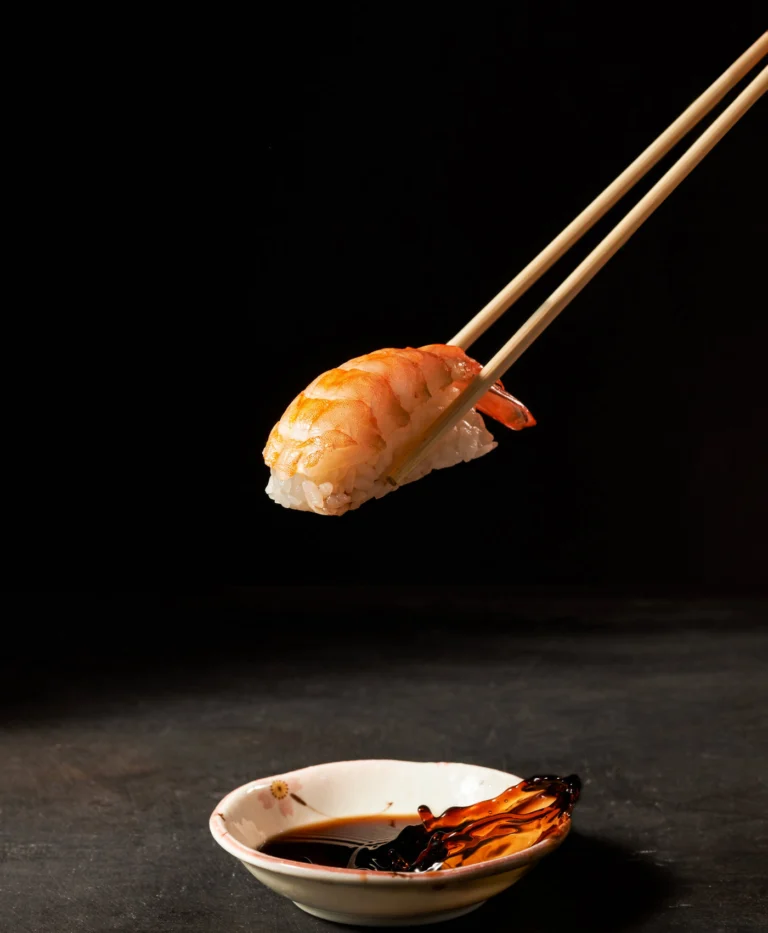
How to Eat Sushi: A Friendly Guide to Soy Sauce, Wasabi, Ginger and Chopstick Etiquette
A relaxed guide to how to eat sushi: hands or chopsticks, dipping in soy, wasabi, ginger, eating order and the chopstick habits to avoid.
Read the guide →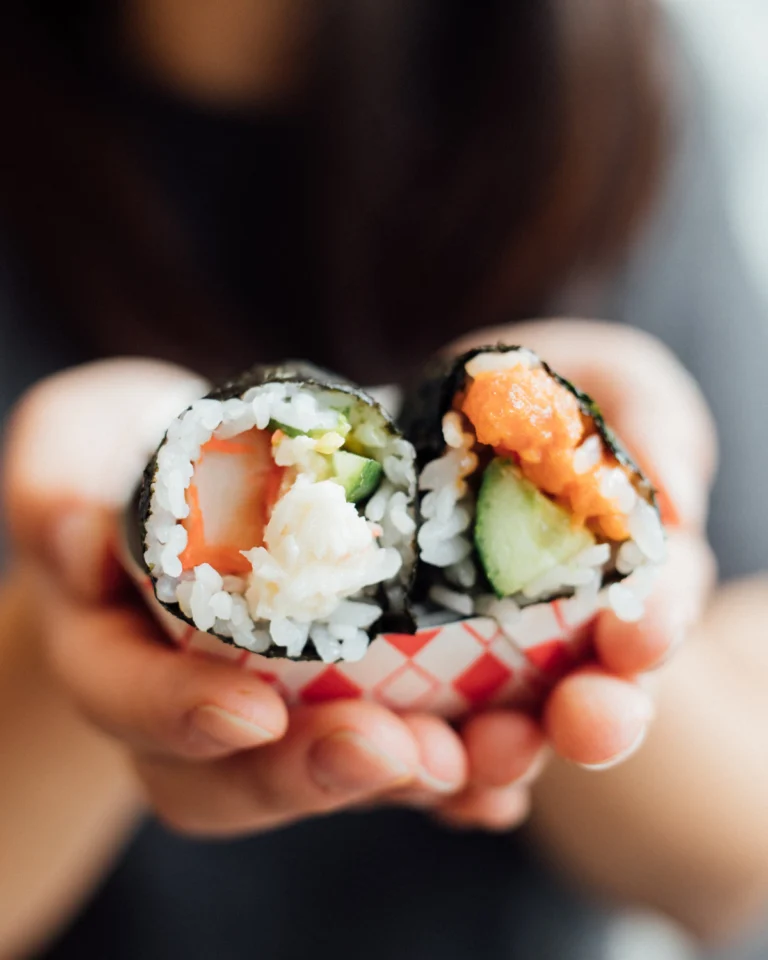
Types of Sushi Explained: Nigiri, Sashimi, Maki, Aburi and More
A plain guide to the types of sushi, from nigiri, sashimi and maki to gunkan, inari, chirashi and flame-seared aburi, with tips on where to start.
Read the guide →
Sushi Catering in Brisbane: How to Plan Sushi Boxes for Office Lunches, Parties and Events
How to plan sushi catering in Brisbane: choosing Sushi Go-En boxes, ordering ahead, invoices, pickup in Salisbury, keeping sushi cool and serving it well.
Read the guide →Find Sushi Go-En in Salisbury, Brisbane
Come to 660 Toohey Road, Salisbury QLD, open Monday to Saturday, 10:30 AM to 8:30 PM (kitchen closes 8 PM, closed Sunday). Walk-ins are always welcome at our sushi train, with fast seating.